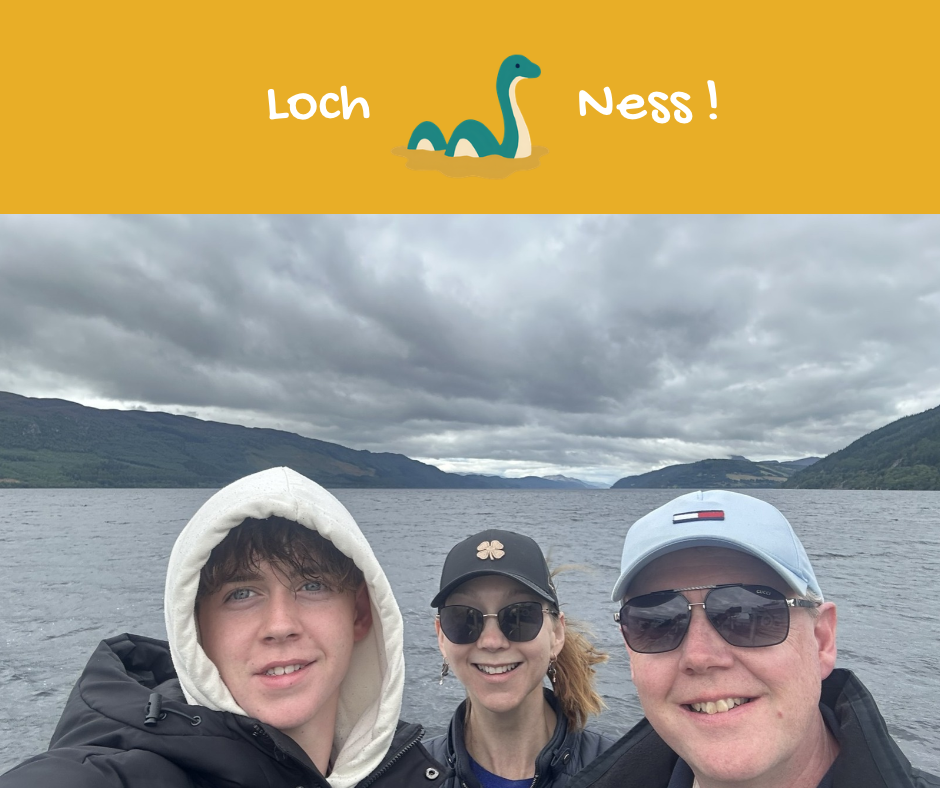
The journey north along the A82 had already hypnotised us, the Scottish Highlands rolling by in shades of bruised purple heather and deep pine green.
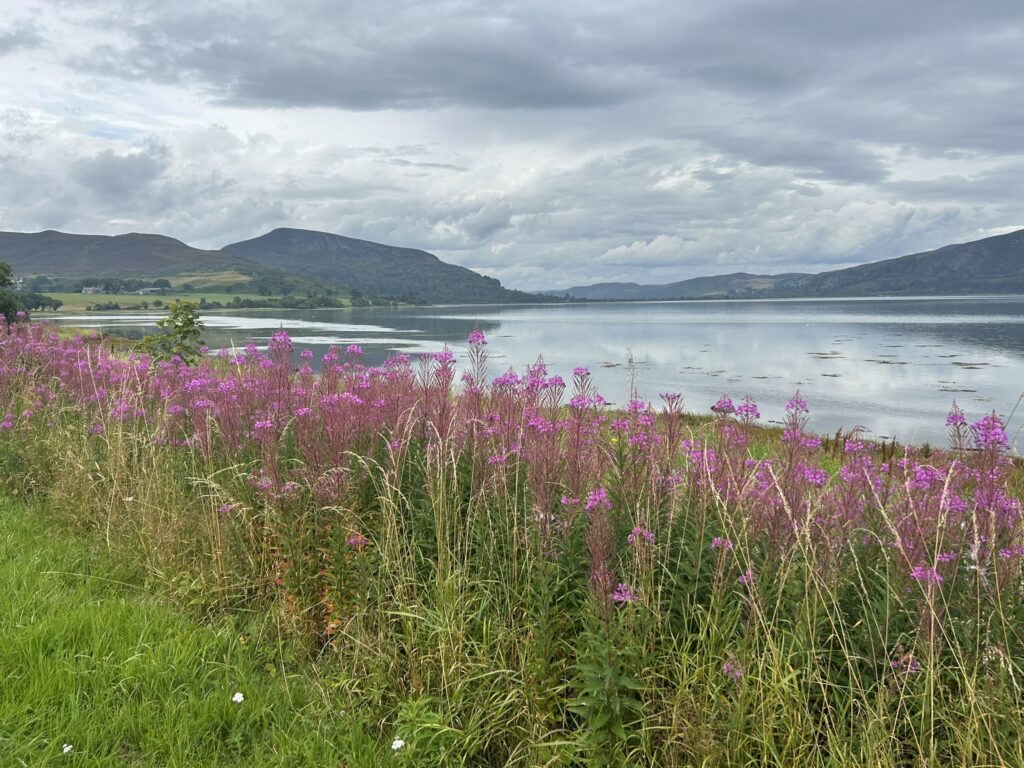
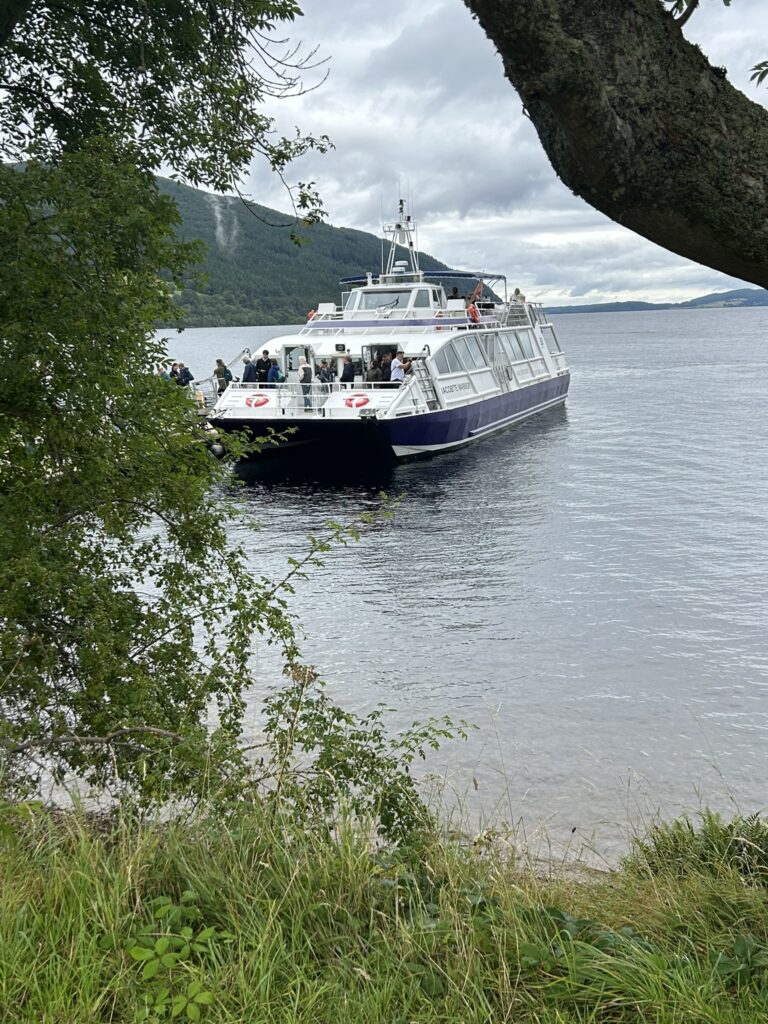
We were running late and I was getting concerned we were going to miss our pre booked Jacobite Freedom Cruise, a 2-hour excursion combining a sail on the water with a shore stop at Urquhart Castle.
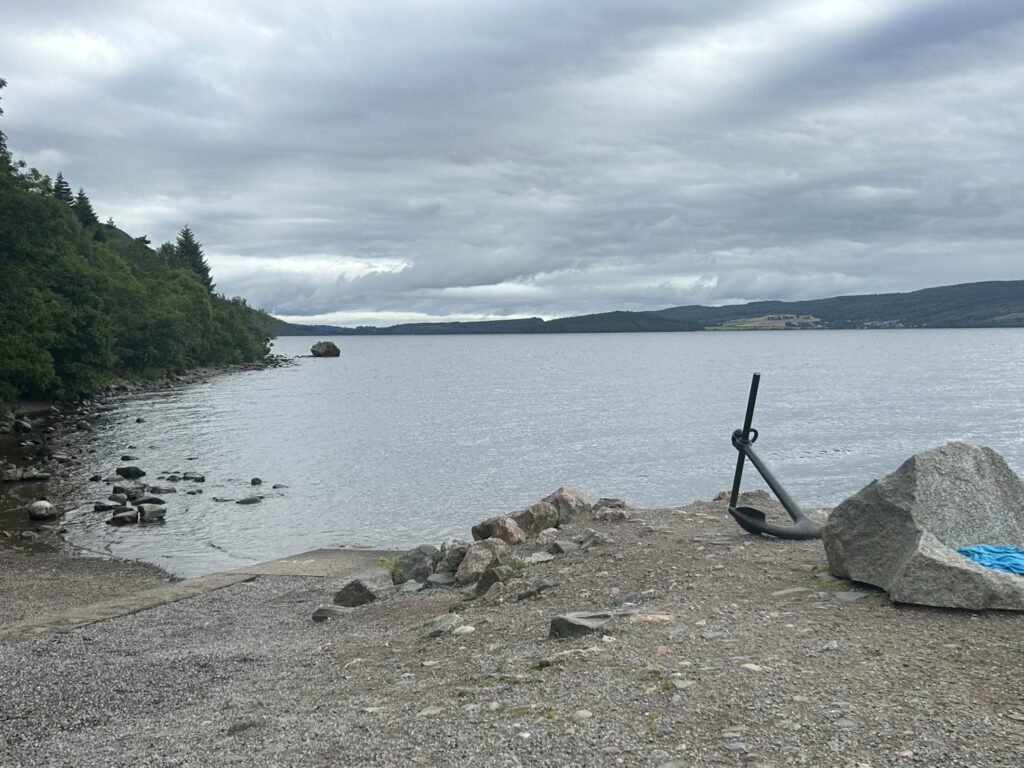
In the backseat, our fifteen-year-old Teensetter, was telling me not to stress as he admired the vast Loch Ness. We pulled into Clansman Harbour, nine miles southwest of Inverness, and made a run for it, just in time to catch the morning buzz of the Jacobite Freedom Cruise.
Never in my wildest dreams did I expect our Teensetter to be travelling through Scotland in a pair of flip flops. Unfortunately he had recently had an ingrown toe operation and needed to wear flip flops for 6 weeks !
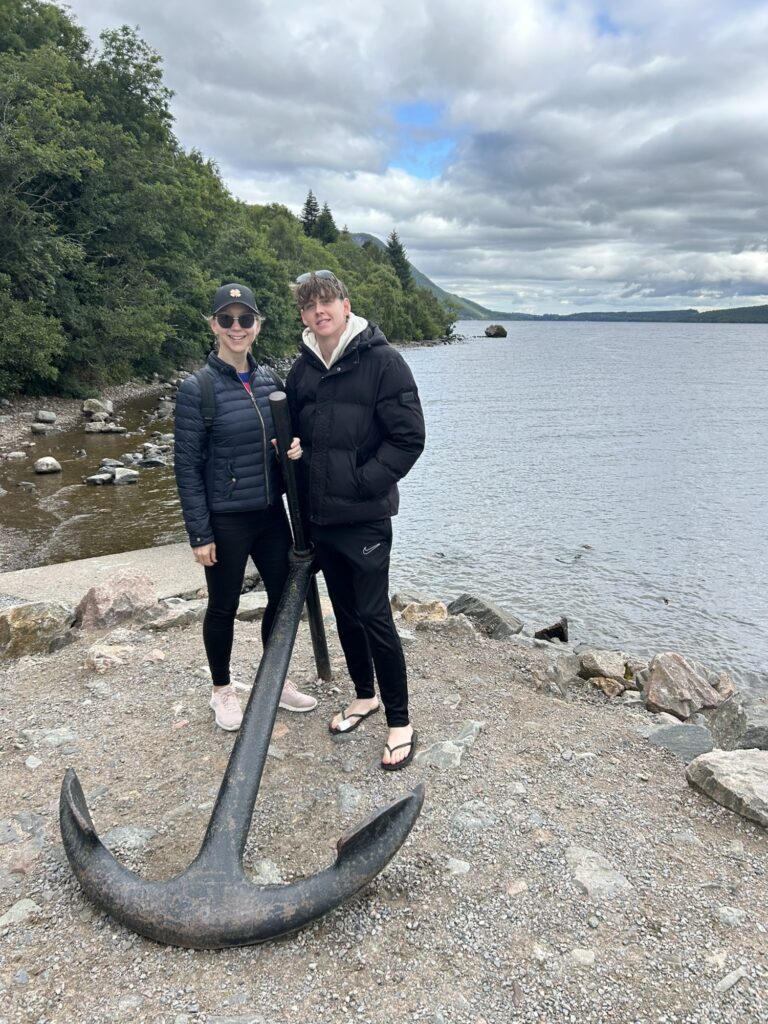
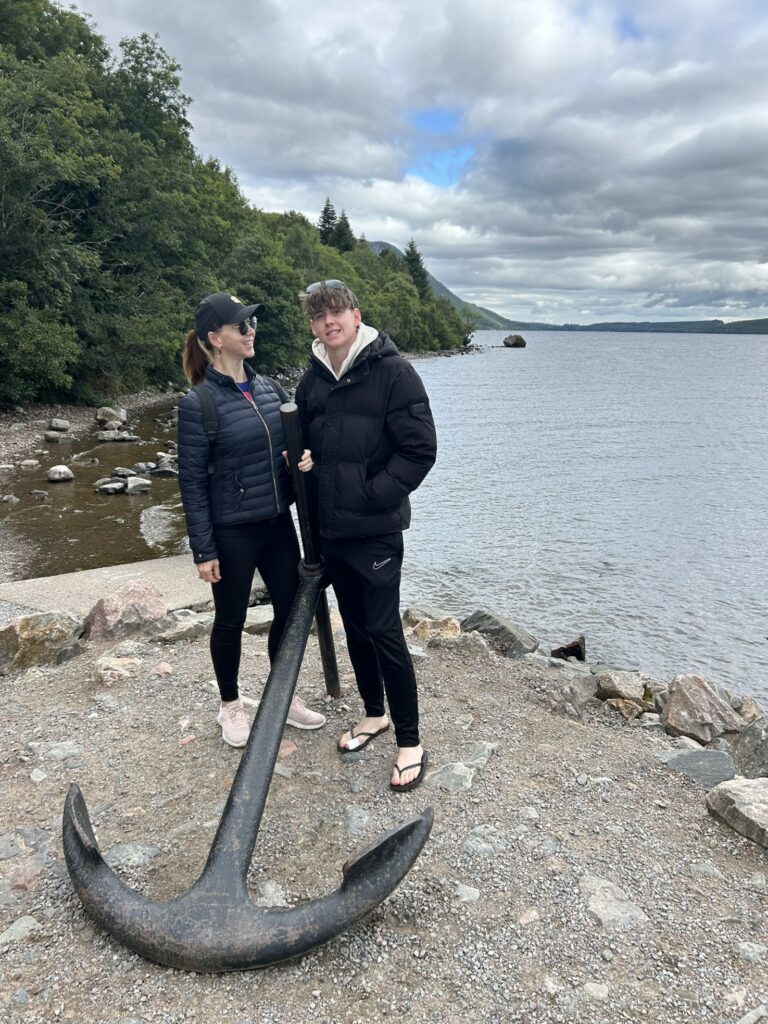
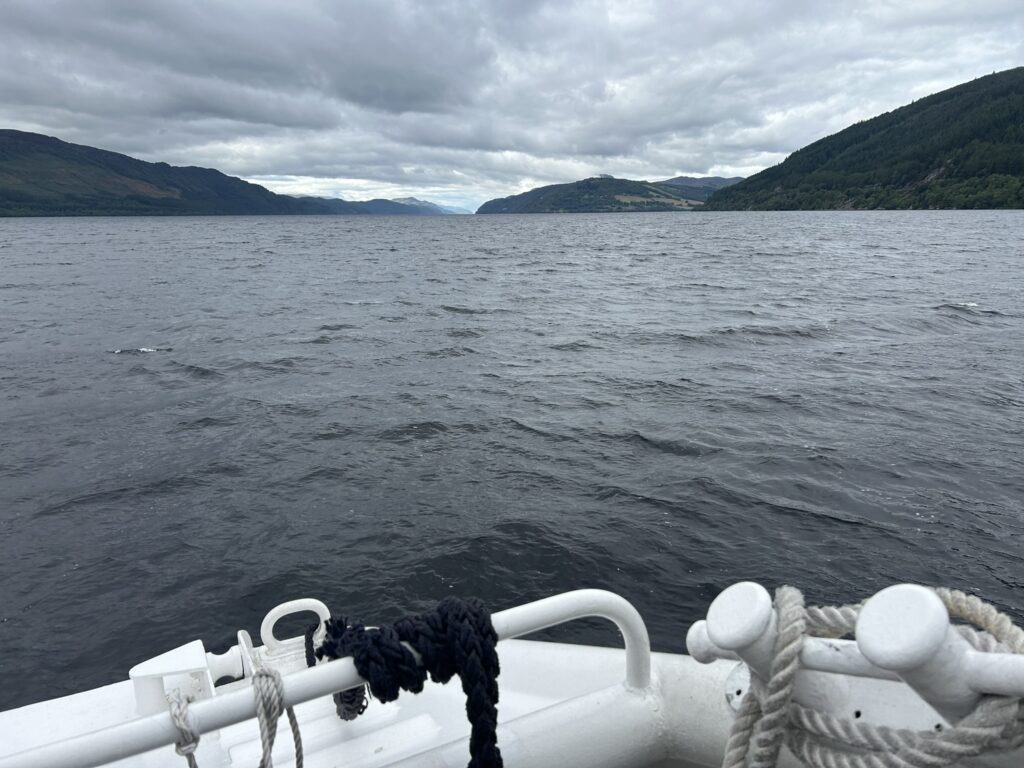
Stepping aboard the Jacobite Warrior, our Teensetter traded teenage detachment for genuine curiosity the moment the boat pushed away from the jetty and sailed the ink-black water.
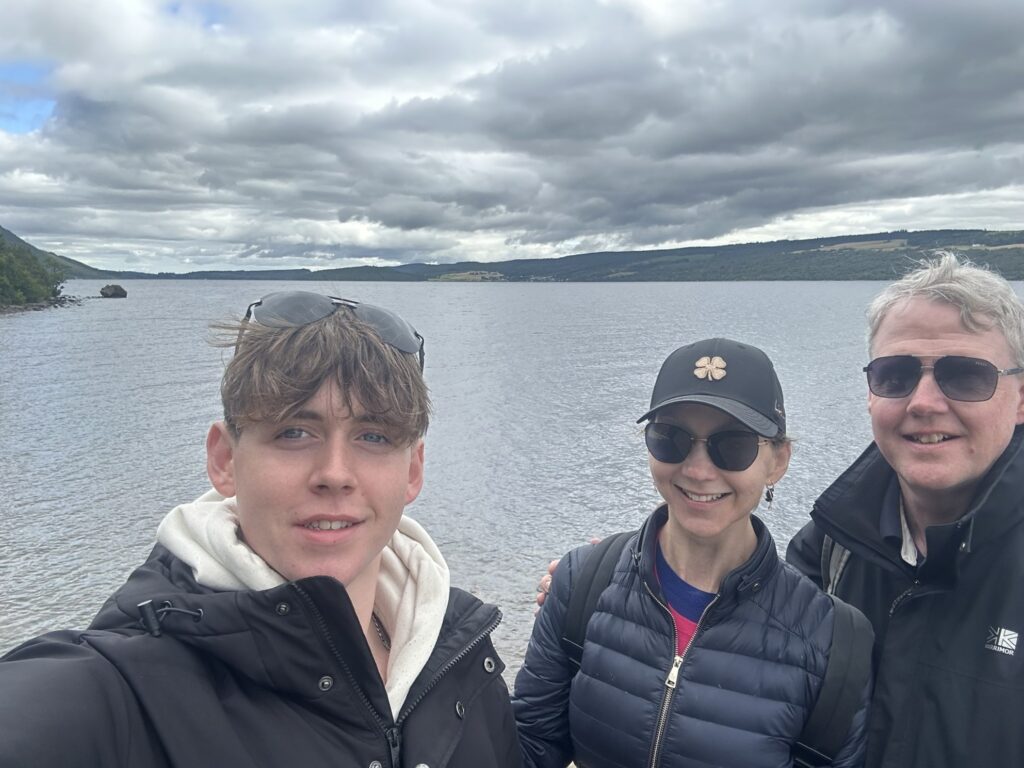
Onboard, the audio commentary was fascinating, detailing centuries of clan feuds and geological faults, while our Teensetter glued his eyes to the water hoping the infamous Loch Ness monster akas ‘Nessie’ might appear from the seven hundred feet deep waters below.
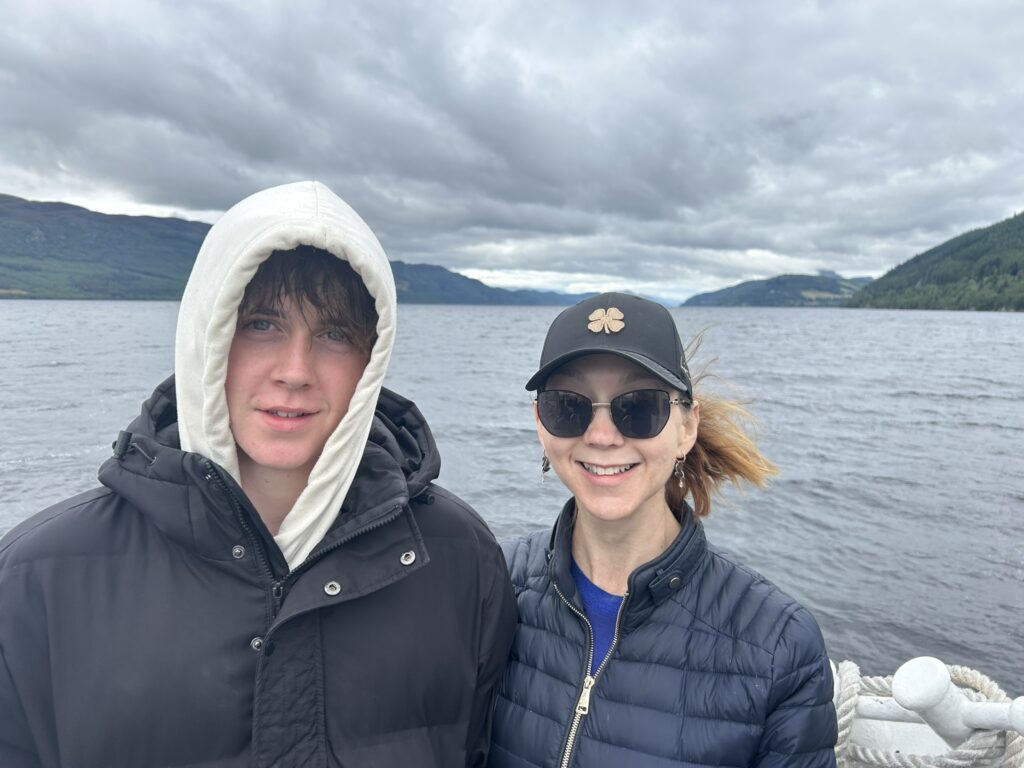
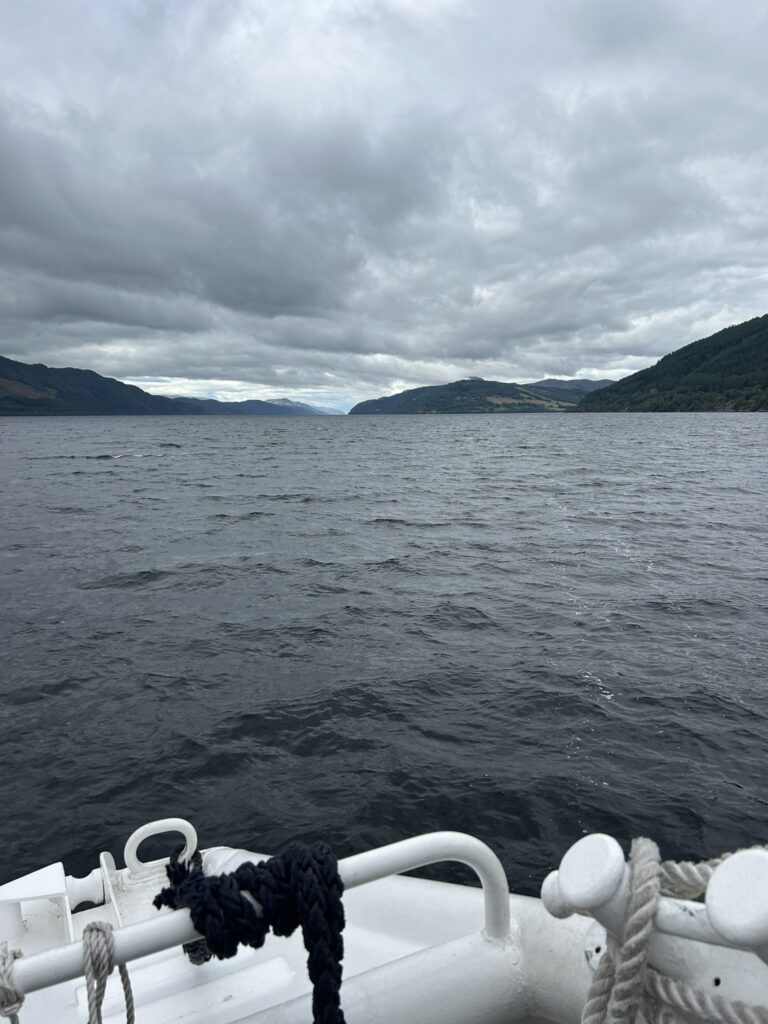
The wind off the water had a sharp Highland bite to it, as we leaned against the rail and watched the forested slopes slide past.
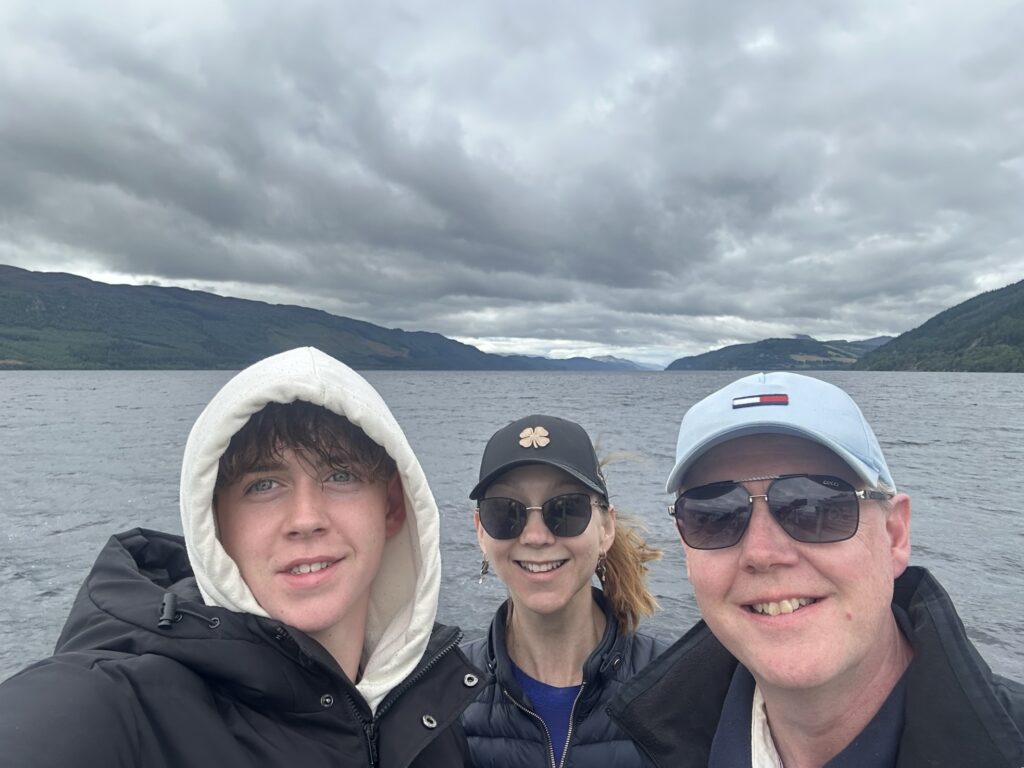
About thirty minutes in, the jagged silhouette of a rocky headland loomed out of the mist: Urquhart Castle.
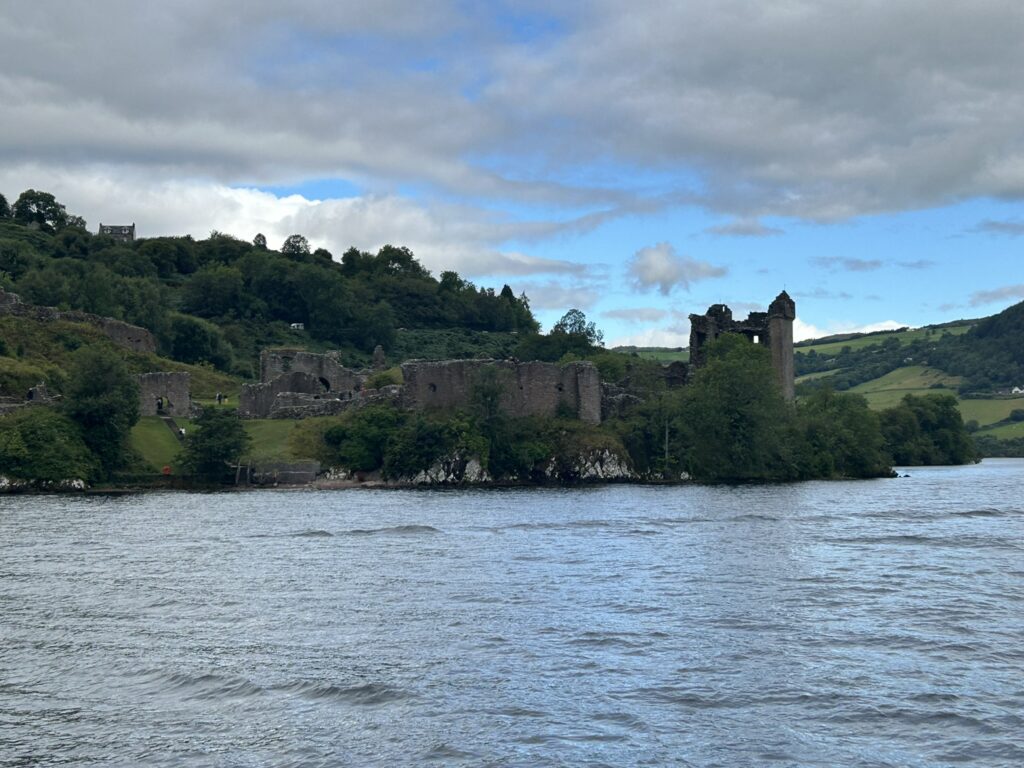
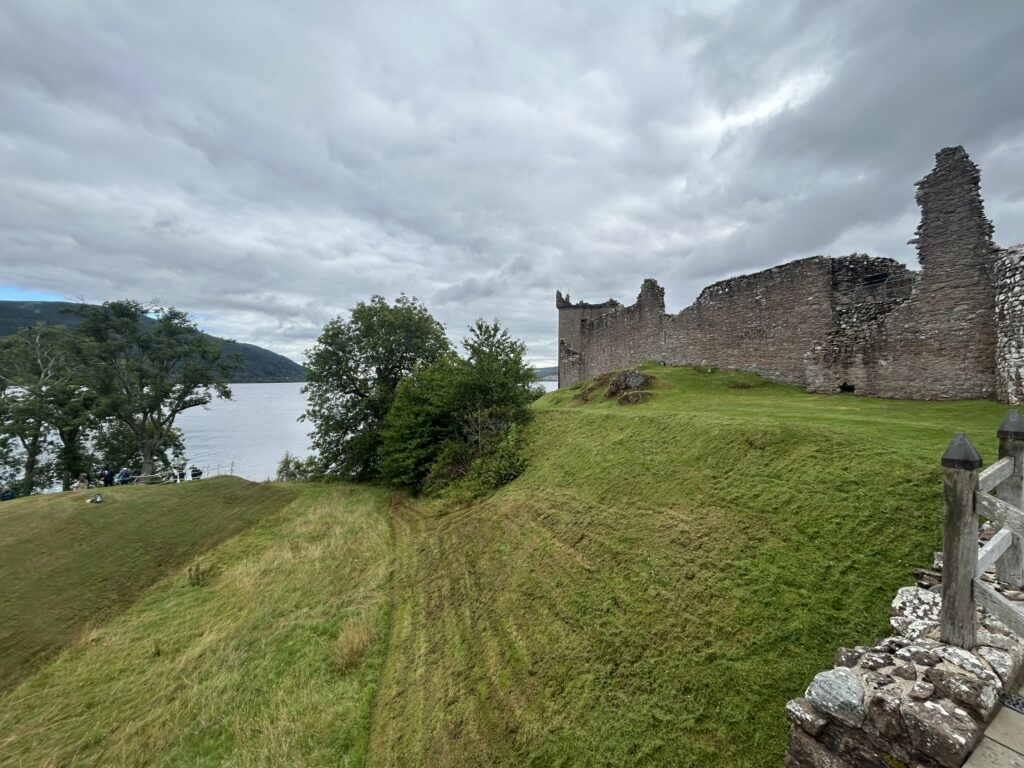
Though technically a promontory rather than a true island, arriving by water made it feel like a fortress cut off from the world. Stepping ashore for our one-hour land visit, the sheer scale of the medieval ruins hit us all at once.
Our Teensetter and I were immediately drawn toward the clank of steel on the castle grounds. A costumed named Mike the Knight— living history interpreter clad in heavy chainmail and steel plate—was holding court beside a table of replica broadswords and shields. Our Teensetter and I sprinted over, captivated as the guide demonstrated how medieval defenders held the castle during the Wars of Independence and explained the sheer weight a warrior carried into battle.
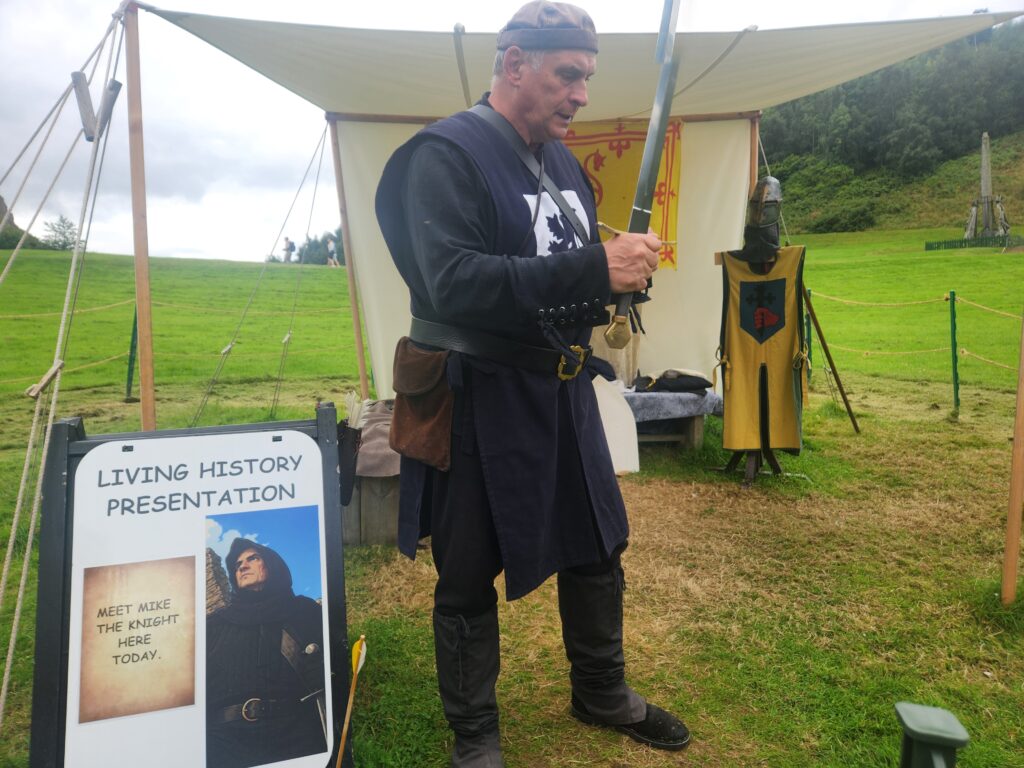
Just up the slope, we met a second fascinating historian who pulled the timeline back even further. Standing near the castle’s highest rocky mound, he explained that long before the medieval stone walls existed, this crag was a 6th-century hillfort belonging to the Picts—the enigmatic “painted people” who ruled northern Scotland. Listening to his stories of Pictish silver brooches, carved symbol stones, and St. Columba’s ancient visit to the loch gave the stones beneath our boots an entirely new layer of mystery.
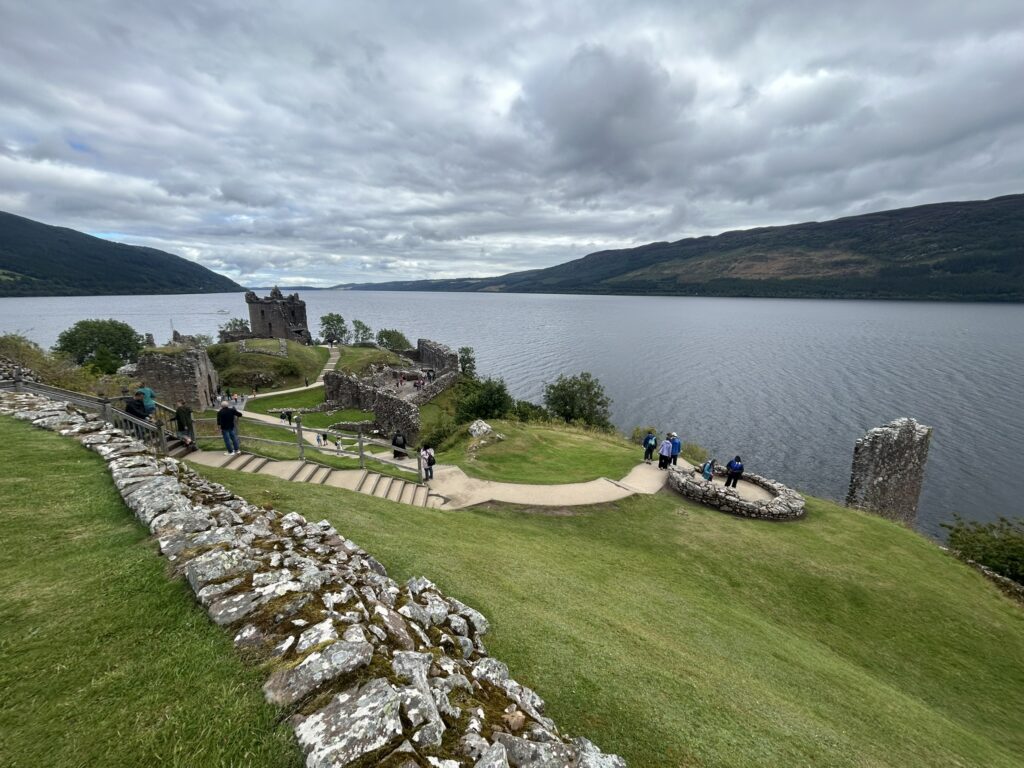
Buzzing from the both talks, we climbed the spiral staircases of the Grant Tower. From the highest battlement, the panoramic view of the Great Glen stretched out like a painting.
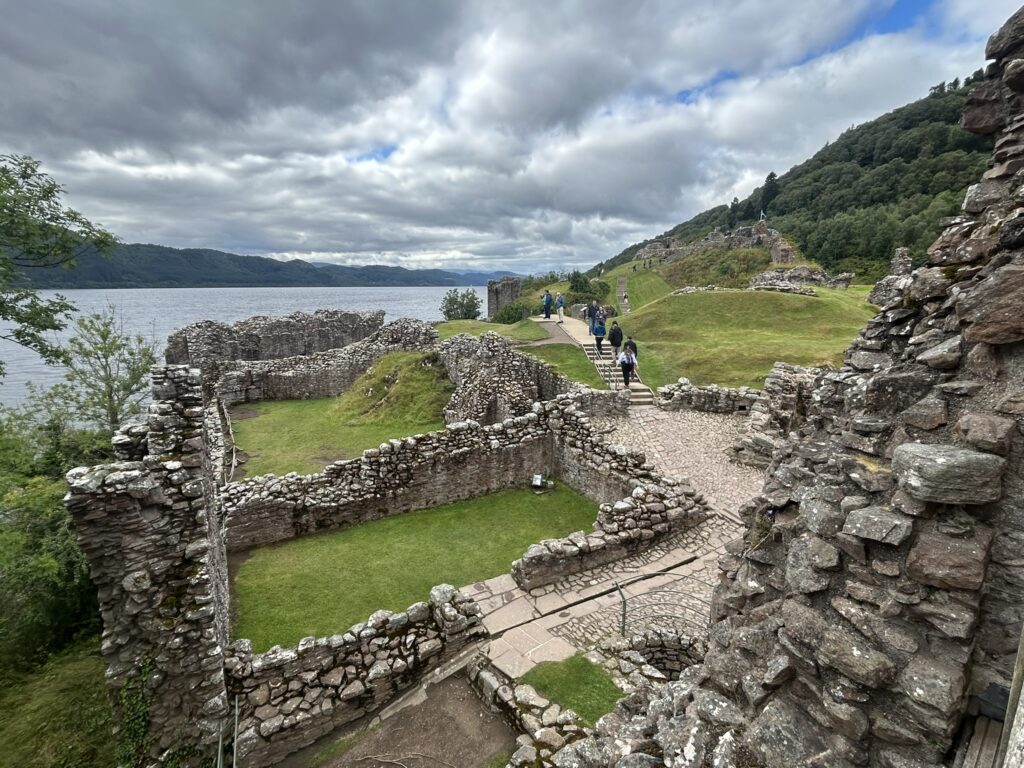
We traced the crumbling curtain walls where armies clashed during the Wars of Independence, picturing the dramatic day in 1692 when the garrison blew up the stronghold so Jacobite forces couldn’t claim it.
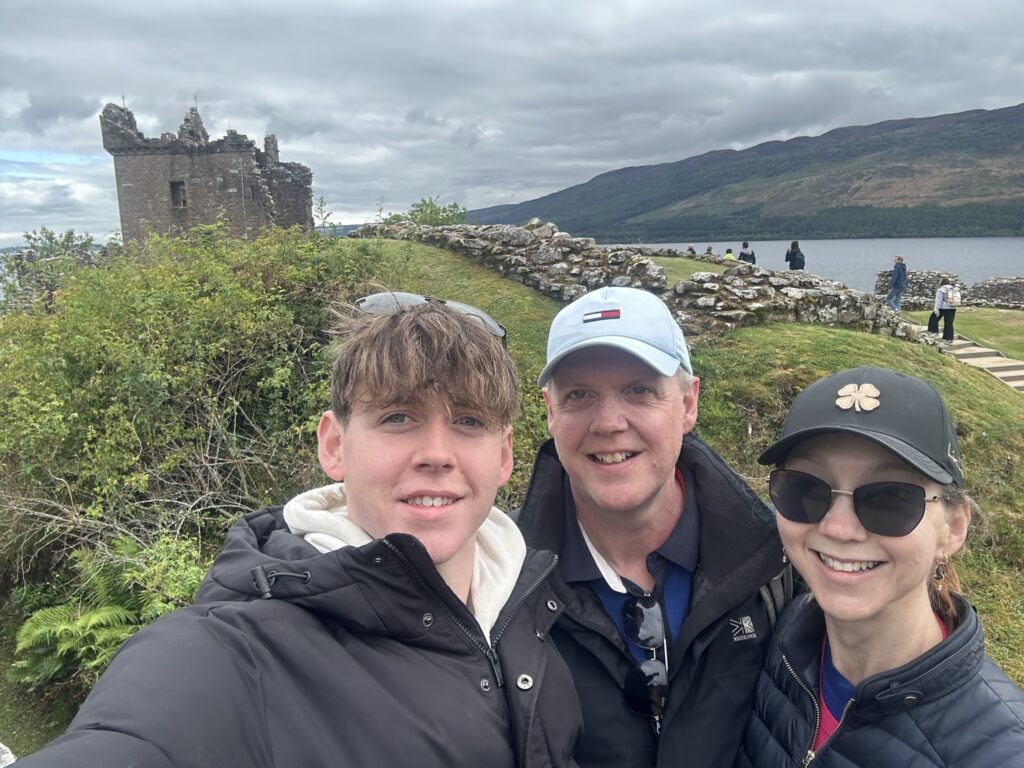
Our Teensetter wandered through the echoing shadows of the old prison cells and peered down at the water gate, imagining supply skiffs pulling right up to the stone.
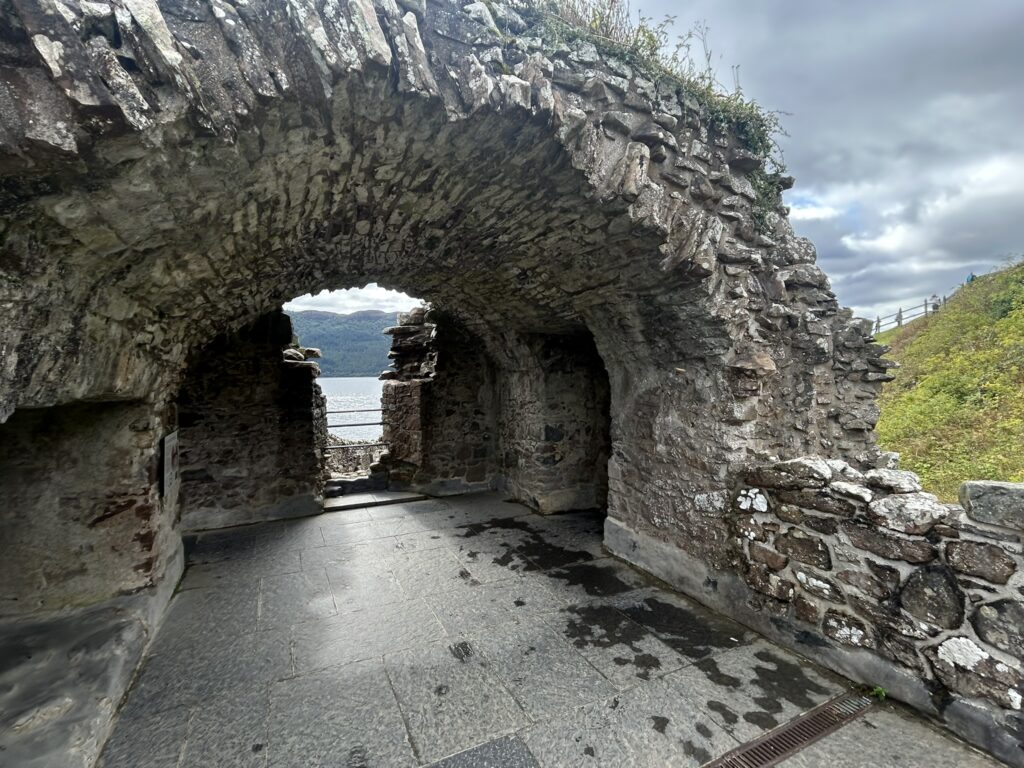
When the horn sounded to reboard the boat for the thirty-minute return sail, our boots were caked in ancient mud.
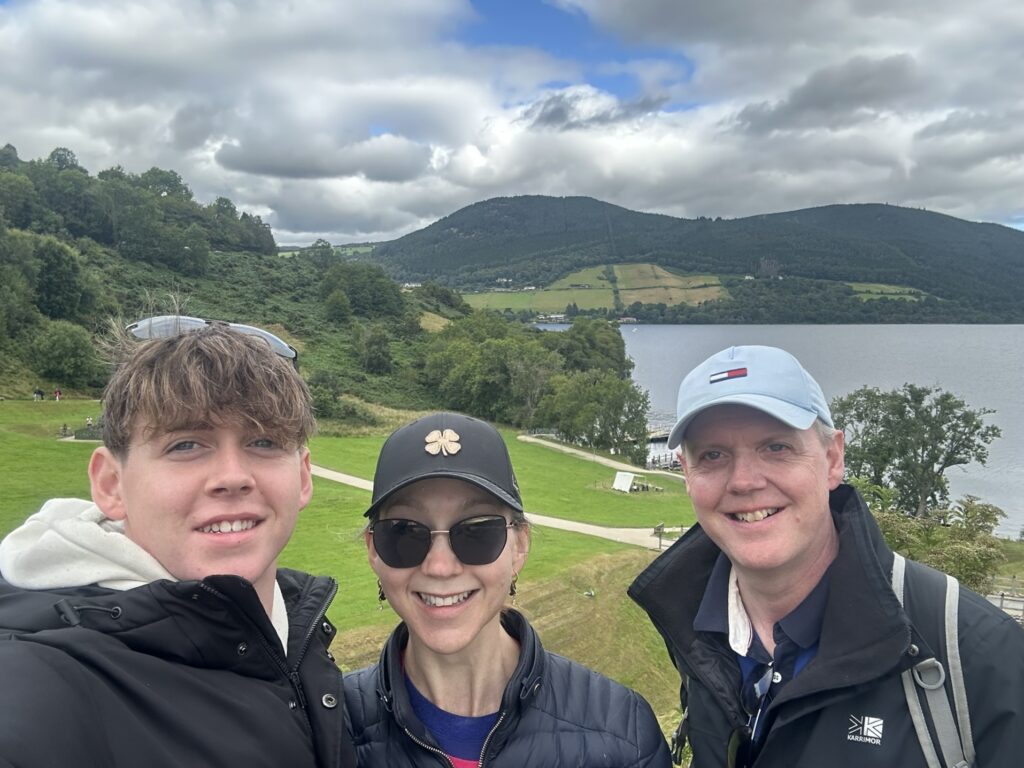
As the harbour came back into view, we stood at the bow, watching the dark water roll away behind us.